Training of Internship Students on Molecular Techniques & Approaches
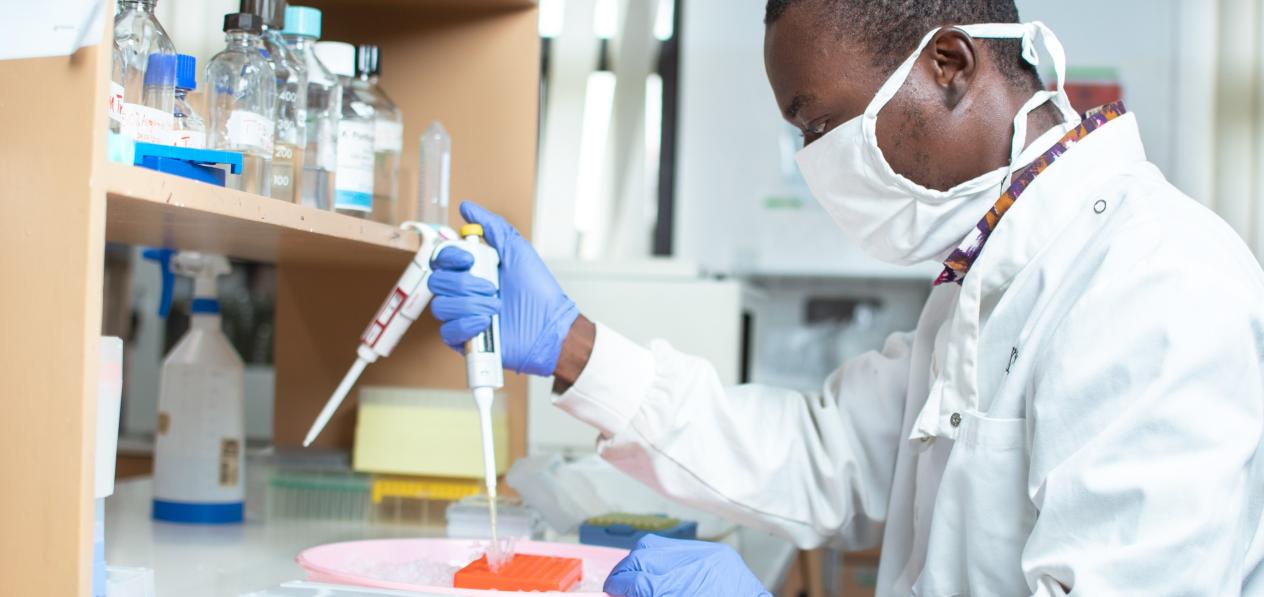
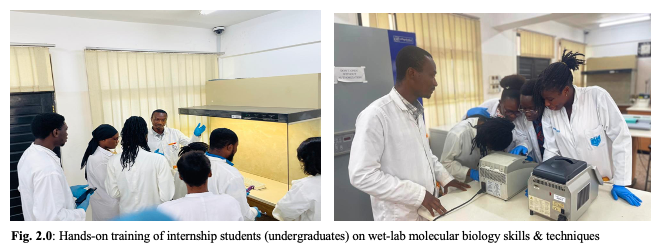
During the period under review, the Biotechnology Centre proudly welcomed seven undergraduate interns from the Kwame Nkrumah University of Science & Technology (KNUST) for a comprehensive practical training program. This initiative aimed to bridge theoretical education with real-world laboratory experiences, equipping the students with essential skills in biotechnology and molecular biology fields.
The internship commenced with an orientation session focused on laboratory safety protocols. Interns were educated on the fundamental guidelines and principles of laboratory biosafety, ensuring that they understood the measures necessary to maintain a safe working environment. In addition, they were introduced to the laboratory's standard operating procedures (SOPs), which are crucial for maintaining consistency and quality in experimental work. Furthermore, training on the proper operation and maintenance of laboratory equipment was provided, enabling the interns to handle sophisticated tools and technologies with confidence.
Following the preparatory sessions, the interns engaged in hands-on training activities that are vital to modern molecular biology practices (Fig. 2.0). The practical components included:
- Genomic DNA Extraction: Interns learned the techniques for isolating DNA from various biological samples, a critical step for downstream applications in research and diagnostics.
- Polymerase Chain Reaction (PCR): They were trained in PCR methodology, mastering the amplification of specific DNA segments, which is instrumental in genetic research and testing.
- Gel Electrophoresis: The interns performed gel electrophoresis to analyze nucleic acids, gaining skills in separating and visualizing DNA fragments according to size.
- Protein Expression Analysis: Explored techniques for analyzing protein expression, providing insights into gene function and the regulation of biological processes.
This internship experience is designed to enhance the wet-lab skills and knowledge-base of the interns significantly. By engaging in these comprehensive training activities, it is anticipated that participants have developed a robust foundation in essential biotechnological techniques. Not only does this prepare them for future academic and professional challenges in molecular biology and biotechnology, but it also positions them competitively in the job market as they pursue careers in research, development, and applied sciences. Interestingly, the collaboration between the Biotechnology Centre and KNUST has fostered an enriching learning environment that cultivates the next generation of biotechnologists. The skills acquired during this internship will undoubtedly serve the interns well in their future endeavors.